Play-Worthy

Player one, pick a game

Three free strategy games you can play in a browser tab

Play-Worthy is a small guide to browser strategy for players in Canada: a week-long mech war set in 1919, a medieval empire, and a fast pixel-map conquest. No downloads. Each one comes with plain facts on time, players and cost.

Choose a game

Game select

Three games, three very different paces. Each button opens the game's own website in a new tab; the developers run the games, we only describe them.

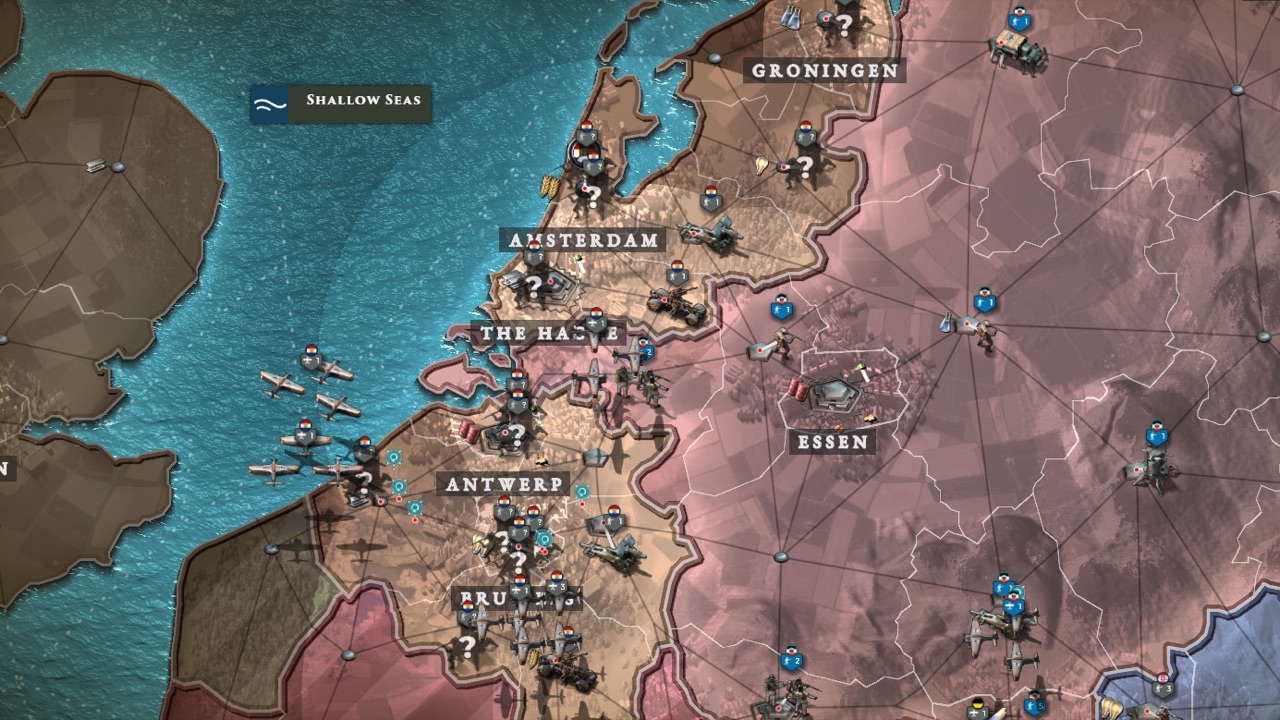
Strategy map of the Netherlands and Belgium with units, airfields and city names
Screenshot: Bytro Labs
Alternate-history strategy

Iron Order 1919

It is 1919, the Great War went differently, and walking war machines share the map with trenches and biplanes. You run one nation in a match that lasts about a week, with up to 101 players on the same map of Europe.

Everything moves in real time, including research and production, so a plan made on Monday is still unfolding on Thursday. Alliances form in the chat long before the first shot.

  • Per visit5 to 15 minutes
  • A matchAbout a week
  • PlayersUp to 101 per map
  • CostFree to start; gold is optional
Play Iron Order 1919 free
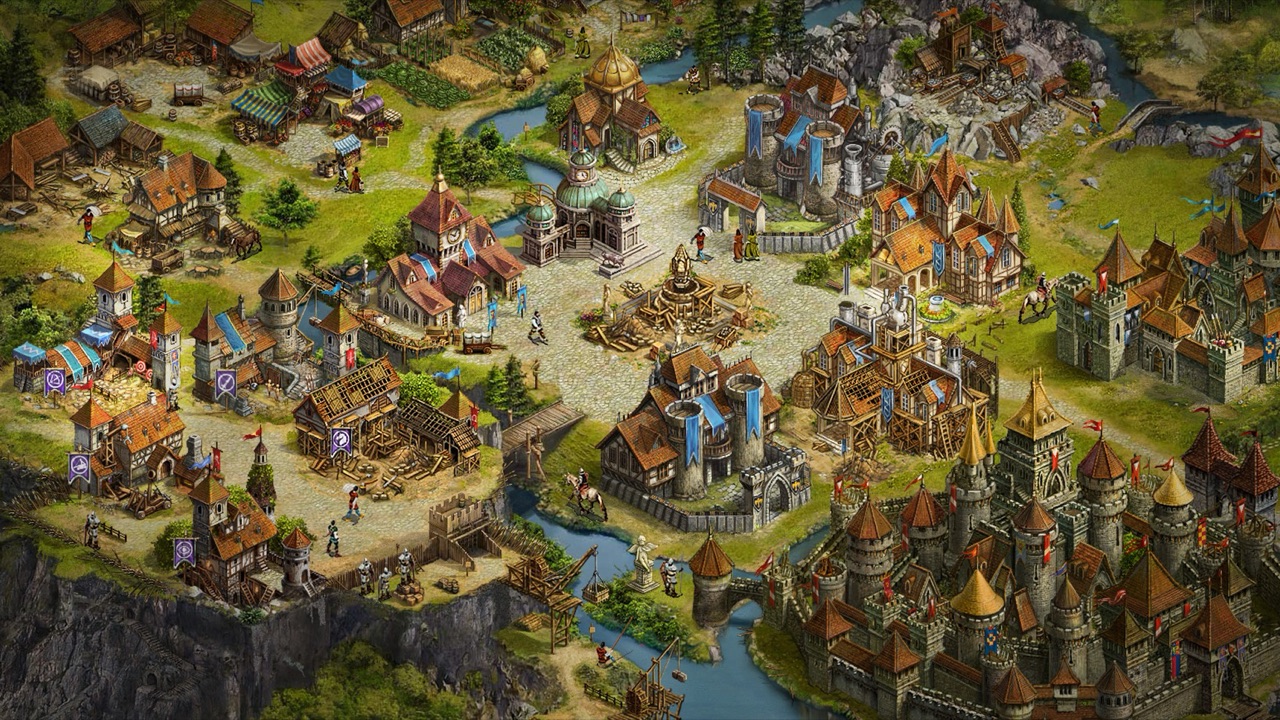
Medieval town with timber houses, a market, a river and a large stone castle
Screenshot: Imperia Online JSC
Medieval empire building

Imperia Online

Set before gunpowder, in the age of swords, longbows and war horses. You start with one province and grow it into an empire: farms and mines feed the treasury, castles hold the borders, and armies march across a shared world map.

Several game worlds run side by side and differ in speed and rules, so read a world's description before joining it. The economy matters as much as the battles.

  • Per visit10 to 20 minutes
  • A worldWeeks to months
  • PlayersA shared world per server
  • CostFree to start; diamonds are optional
Play Imperia Online free
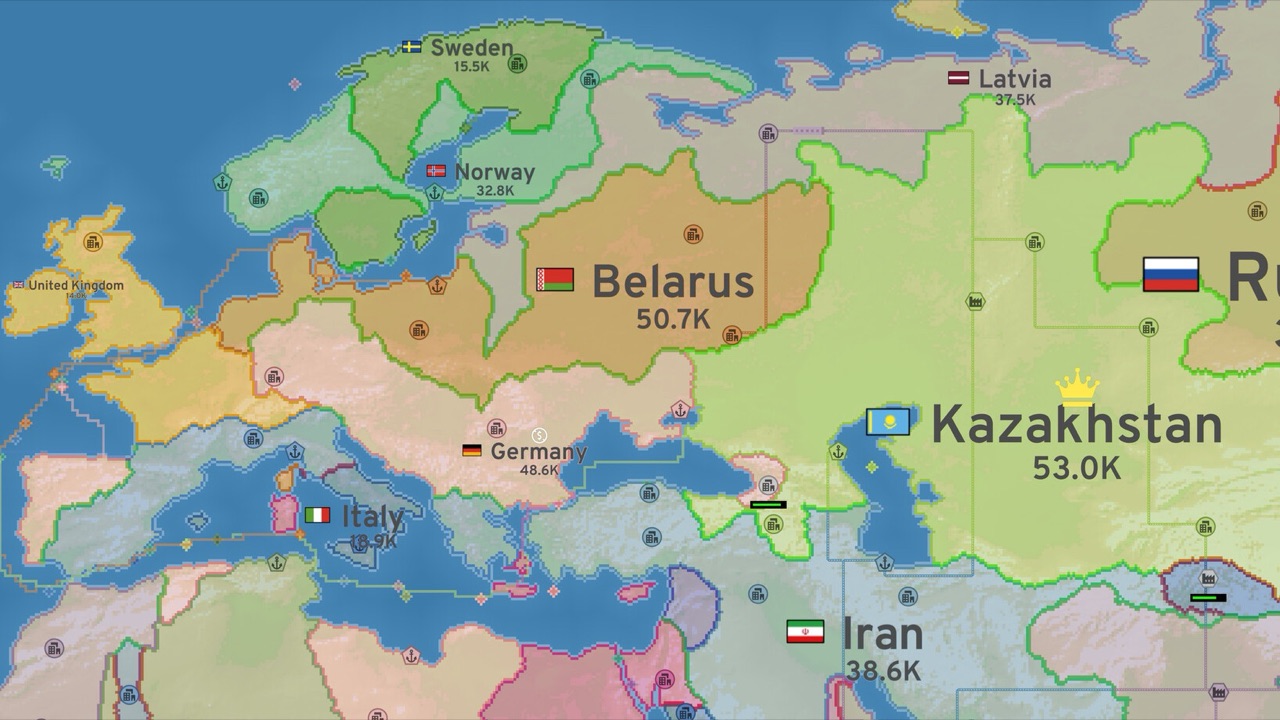
Pixel-style map of Europe and Asia divided into coloured nations with their troop counts
Screenshot: OpenFront
Real-time territory war

OpenFront

A real-time strategy game on a pixel map of the world. Every player starts from a single patch of land and pushes borders outward, builds ports and cities, and decides when to make peace and when to attack.

Rounds are short compared with the other two games here. You sit down, play one match from start to finish and close the tab. The game is still labelled alpha, so modes and maps change often.

  • Per visitOne match
  • A matchMinutes, not weeks
  • PlayersHundreds, plus bots
  • CostFree in the browser; the store sells cosmetics, and a paid Steam edition exists
Play OpenFront free

How long a run lasts

Typical numbers for an active player. They describe what the timers and rounds tend to ask of you, not rules set by the games.

GamePer visitLengthPlayers
Iron Order 19195 to 15 minutesAbout a weekUp to 101 per map
Imperia Online10 to 20 minutesWeeks to monthsA shared world per server
OpenFrontOne matchMinutes, not weeksHundreds, plus bots

Before you press start

  • Make the game account on the game's own site, after checking the address bar.
  • Use an email address you keep for games.
  • Set a monthly spending limit before you open any in-game shop.

Screens and controls

All three run in a current desktop browser. The maps are detailed, so a laptop or a tablet held sideways works better than a phone. A mouse helps in OpenFront, where rounds move fast.

More on spending, time limits and age in play safe.

Questions

Are these games free?

You can start and keep playing all three without paying. Iron Order 1919 and Imperia Online sell optional premium currency. OpenFront is free in the browser with an optional cosmetics store, and a paid edition also exists on Steam.

Can I play in French?

Iron Order 1919 lists French in its language menu. For the other two, check the language settings once the game is open.

Does Play-Worthy run any of these games?

No. Each game belongs to its developer, and questions about accounts or purchases go to that game's support team.

Where do the screenshots come from?

Each developer publishes them for its own game. We crop out menus and player names, and the developer is credited under every image.

Why the retro look?

Because picking a game used to mean picking a cartridge off a shelf. The pixel art on this site was drawn for it; it doesn't come from any of the games.